Updated 2026 · 11 min · by NebulaTrip local experts
There is no nationwide “best month” for China. A Beijing–Xi'an–Shanghai first trip can often use late spring or autumn well; add Guilin, Harbin, Yunnan or the Tibetan Plateau and the answer changes. Choose dates from the most weather-sensitive stop, then test the route against public holidays, transport availability and the conditions you are willing to trade: heat for long daylight, rain for greener landscapes, or winter cold for a specific seasonal experience.
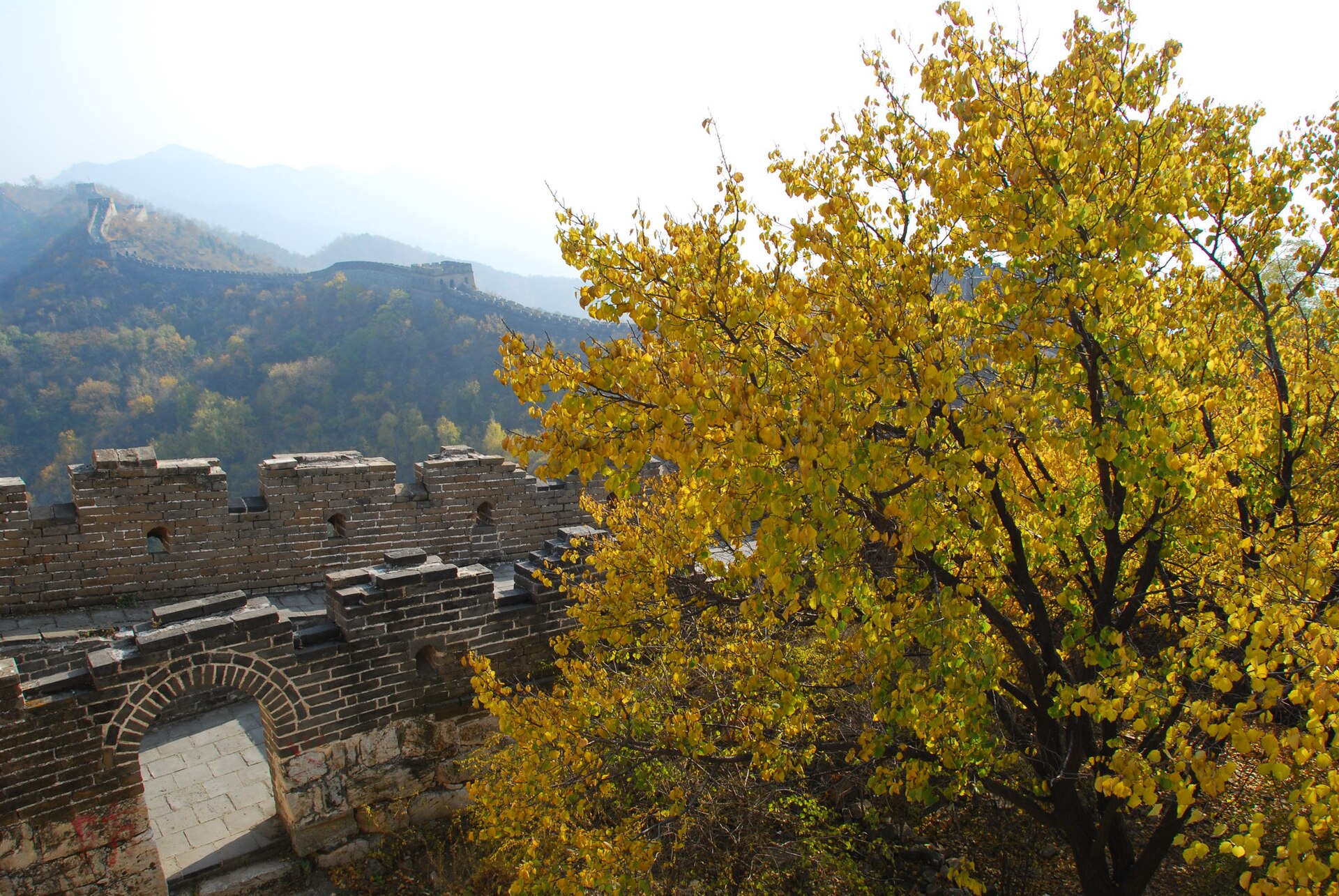
For the classic northern and eastern route, late April–May and late September–October are sensible starting points. Walking is often easier than in peak summer or deep winter, and the route avoids the coldest Beijing and Xi'an periods. But “spring” and “autumn” describe transitions, not stable weather contracts. A cold front, early heat, rain or poor visibility can still dominate a short trip.
Autumn often suits Beijing and Xi'an, while Shanghai can remain warm and humid. Foliage timing shifts by elevation and year; an October Great Wall photograph cannot establish a universal peak date. Spring offers longer daylight and new growth, but blossoms are equally variable. No verified reusable Wuyuan/Jiangling spring image was accepted for this article, so a generic rapeseed field has not been used as proof of that destination.
The practical trade-off is demand. These comfortable windows include public holidays and popular domestic travel weekends. Book the route around the hardest item—an attraction reservation or intercity train—rather than assuming pleasant weather makes logistics easy. If dates are flexible, move a few days away from a holiday before changing the whole season.
Beijing and Xi'an: shoulder seasons reduce temperature extremes, but exposed Great Wall ridges make wind and rain more important than the city forecast. Winter can work for a cold-tolerant traveller; it does not guarantee snow or empty sites.
Shanghai, Suzhou and Hangzhou: expect humidity and a variable early-summer plum-rain period. In 2026, Shanghai entered the monitored plum-rain pattern later than the long-term reference, a useful reminder that the season does not start on a fixed date. Spring and autumn are easier for walking, while summer needs indoor breaks and rain flexibility.
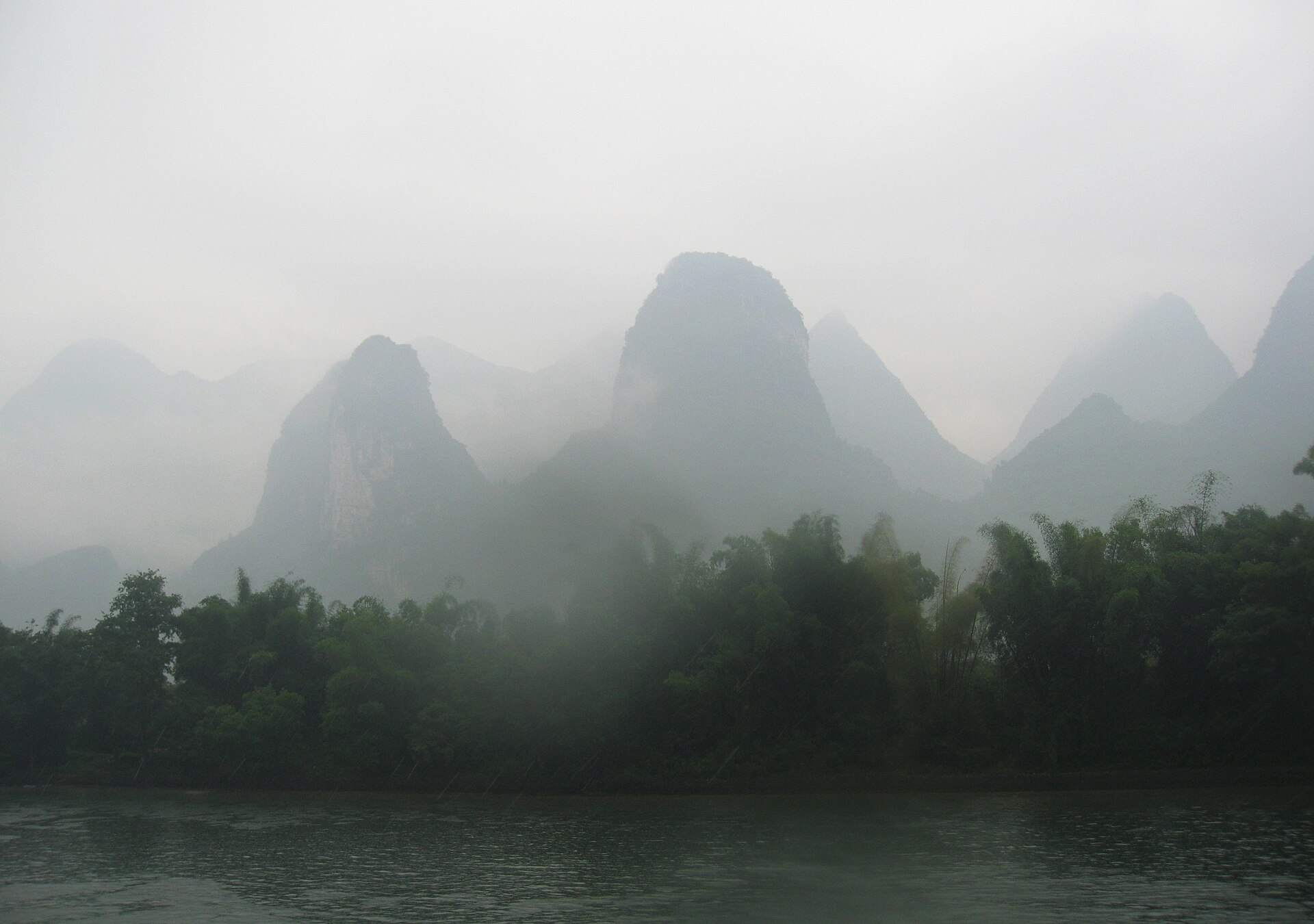
Guilin and South China: moisture can produce green karst scenery and atmospheric cloud, but it also brings disrupted outdoor plans. A Li River image taken in mist records one May day, not the whole wet season. Keep a buffer for cruises and check flood or storm notices locally.
Chengdu and the southwest: lower-elevation city trips can work much of the year, while Yunnan routes vary sharply with altitude. Panda viewing is not guaranteed by season. The Tibetan Plateau and other high mountains require route-specific access, acclimatization and current permits; do not use a nationwide calendar as the deciding source.
Harbin and the far north: summer and winter are different products. Choose winter for ice-and-snow events only after official dates are published; choose summer for easier outdoor travel.
Summer is workable when the route earns the discomfort. Long daylight helps multi-stop days, mountain vegetation is green, and some high-elevation areas have their main access window. The cost is heat exposure, school-holiday demand and monsoon disruption across much of the south and east. In coastal regions, tropical systems can affect flights and rail. Build indoor alternatives and do not place the only cruise or hike in the final hours before departure.
For Guilin, cloud and moisture may soften the karst landscape; heavy rain can also change river operations. Those are two sides of the same season, not “bad weather” versus “perfect mist” that can be selected in advance. For Beijing and Xi'an, summer heat makes early outdoor starts valuable, while museums need timed reservations rather than being assumed as spontaneous midday shelters.
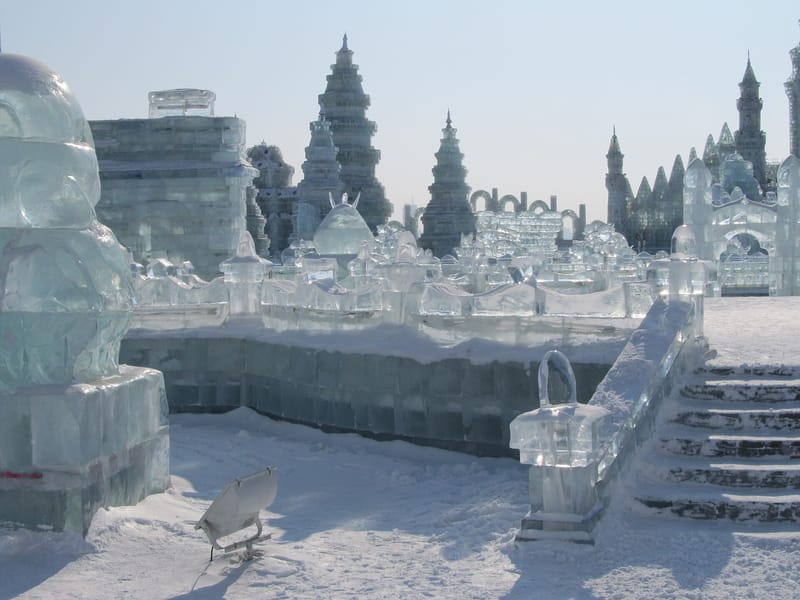
Winter is a strong choice only when the traveller accepts cold or wants a winter-specific event. Harbin's Ice and Snow World is the clearest example. A 2009 photograph can illustrate illuminated ice structures, but it cannot prove 2026–27 opening dates, prices or layout. Northern city walks require serious layers; southern interiors can feel damp without strong indoor heating. Snow at the Great Wall or Forbidden City is a bonus, never an itinerary promise.

The State Council's official 2026 schedule sets Spring Festival for February 15–23, Labor Day for May 1–5, Mid-Autumn Festival for September 25–27, and National Day for October 1–7. Qingming and Dragon Boat Festival also create three-day domestic travel periods. These are not “avoid China” dates, but transport and major attractions need a different level of preparation.
National Day directly overlaps one of the most attractive northern travel windows. If you want autumn conditions without the holiday pressure, move the route outside October 1–7 rather than assuming one remote section will remain quiet. Spring Festival has a wider transport effect than the nine official days because people travel before and after family visits; city business hours can also differ.
Do not repeat the claim that rail tickets sell out “weeks ahead” when the current official railway presale period is 15 days including the travel date. Demand can be intense, but the operational lesson is to note the exact sales-opening date and use official 12306 waitlisting where available. Attraction tickets have their own release windows. For travel after 2026, replace every date in this section with the new official schedule.
List each stop with its real vulnerability: Great Wall weather, a Li River operation, a high-altitude acclimatization day, a museum closure, or a once-a-year winter event. Put buffer beside the item that cannot simply move indoors. Then sequence cities by transport logic rather than chasing a nationwide “best weather” average.
Pack for the route's range. Walking shoes and light rain protection belong in almost every first trip. Add breathable layers for humid cities, a windproof layer for exposed ridges, and proper insulation for northern winter. Sun protection matters on water and at altitude even when the air feels cool. Carry the original passport used for trains, hotels and real-name attraction reservations, plus offline copies of bookings and addresses.
Finally, separate booking windows. Rail is currently sold 15 days ahead including departure day; individual attractions may open earlier or later; seasonal events may not publish until close to opening. Check each official channel instead of paying an intermediary for a vague guarantee. The best date is the one that keeps the route's defining experience feasible while leaving enough flexibility for China to have different weather in different places.
Private & flexible · English-speaking guide · real-time online booking.



Tell our local experts what you'd like to see and we'll design a private, tailor-made itinerary with English-speaking guides — free plan & quote, no obligation.