Updated 2026 · 10 min · by NebulaTrip local experts
Two full days are enough to understand Shanghai's central contrast, not to “finish” the city. Use Day 1 for the old-city garden and the Huangpu waterfront; use Day 2 for a slower former French Concession walk, then choose either a museum or Pudong height. The plan works because each day stays on one side of the city's story instead of collecting distant landmarks.
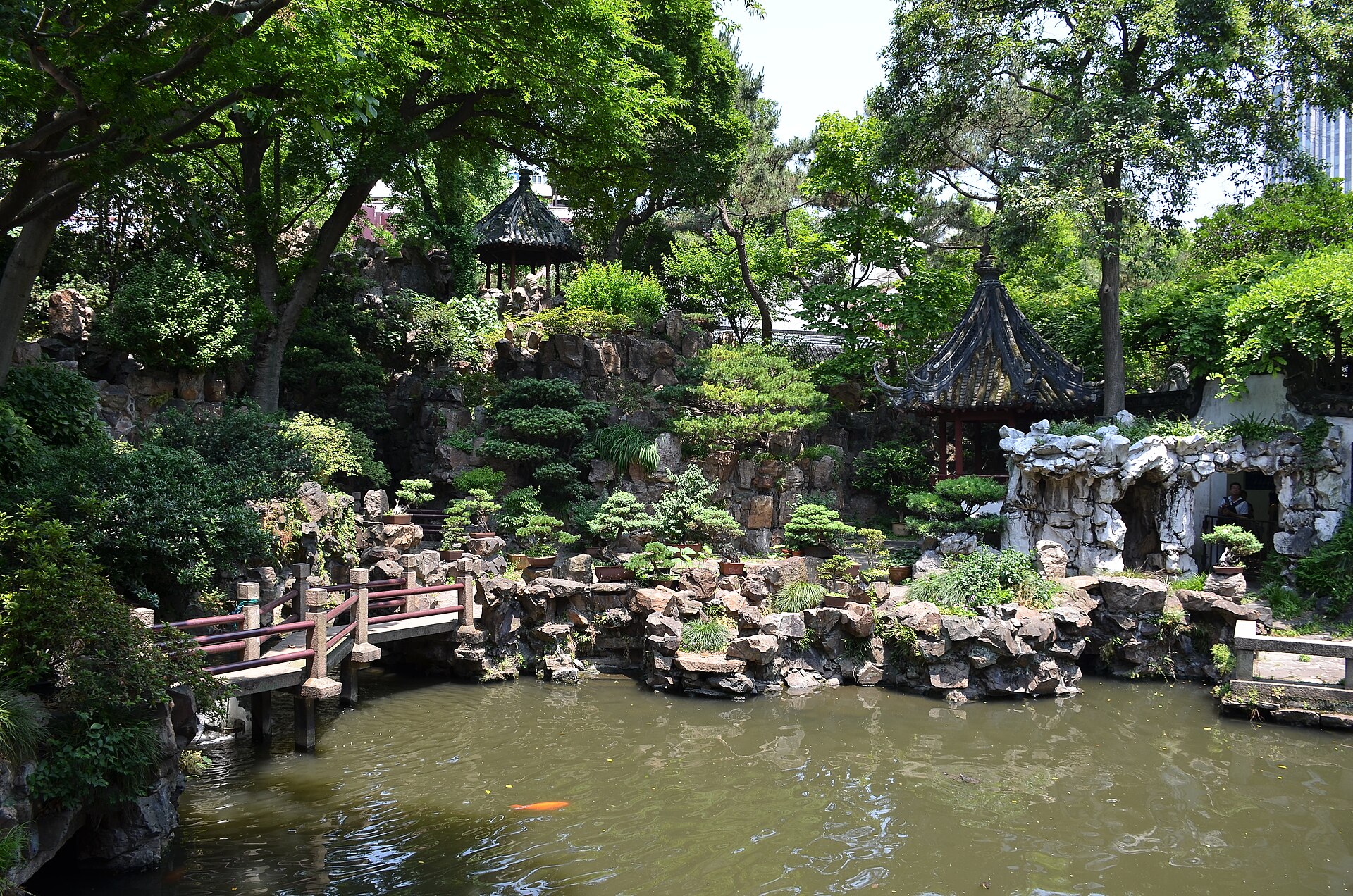
Start with the ticketed Yu Garden, not the surrounding Yuyuan Garden Malls. The garden is the historic landscaped space of rockeries, water, pavilions and framed views; the busy lanes, snack counters and traditional-style commercial façades outside are a separate experience. Mixing the two is how a “garden visit” turns into two hours of shopping without entering the garden.
As checked on July 29, 2026, the official garden schedule is Tuesday–Sunday, 9:00–16:30, with last entry at 16:00 and Monday closure except public holidays. Buy through the official “Shanghai Yu Garden” channel or at the gate if available, and recheck festival arrangements. The wider malls may run different hours and special ticketed events.
Enter near opening if the garden is a priority, then leave time for the old-city streets and a deliberate lunch. A queue at one famous dumpling shop is a choice, not a compulsory Shanghai experience. By early afternoon, start moving toward the Bund rather than adding another major museum. The value of this morning is the change in scale—from enclosed garden rooms to dense commercial lanes—not a claim that the district preserves an untouched “old Shanghai.”
Reach the Bund with daylight left. First look west at the historic bank and trading-house façades, then cross to the promenade for the river and Lujiazui skyline. This order stops the evening from becoming one stationary skyline photograph. If weather is clear, stay through dusk; if visibility is poor, the waterfront architecture still carries the visit.
Choose between two different boat experiences. A public ferry is short local transport across the Huangpu and can connect you with Pudong. A sightseeing cruise is a longer paid circuit designed for the skyline. Do not buy one expecting the other. Current Shanghai government transport guidance identifies East Jinling Road as a convenient visitor ferry pier, but routes and last departures should still be checked that day.
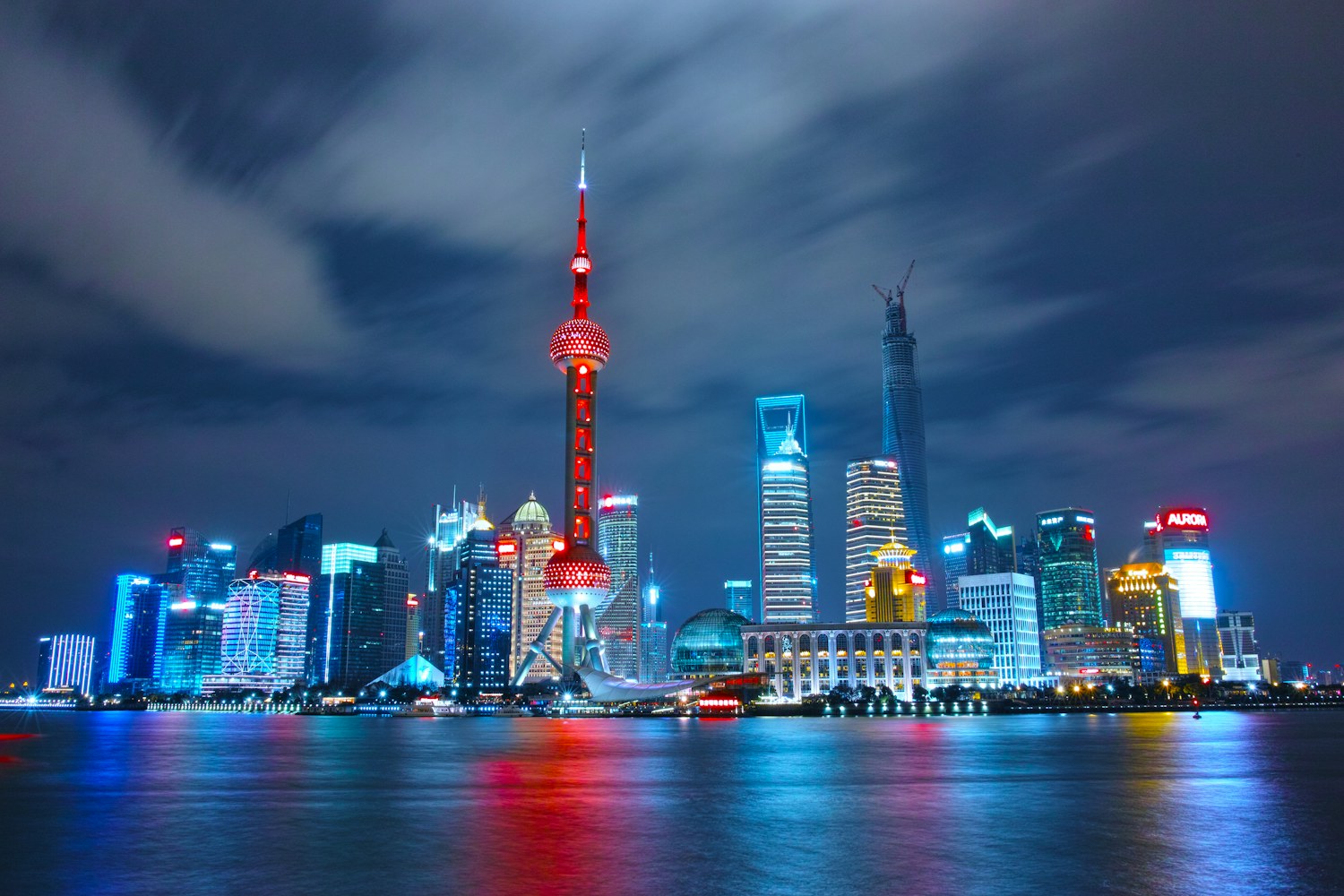
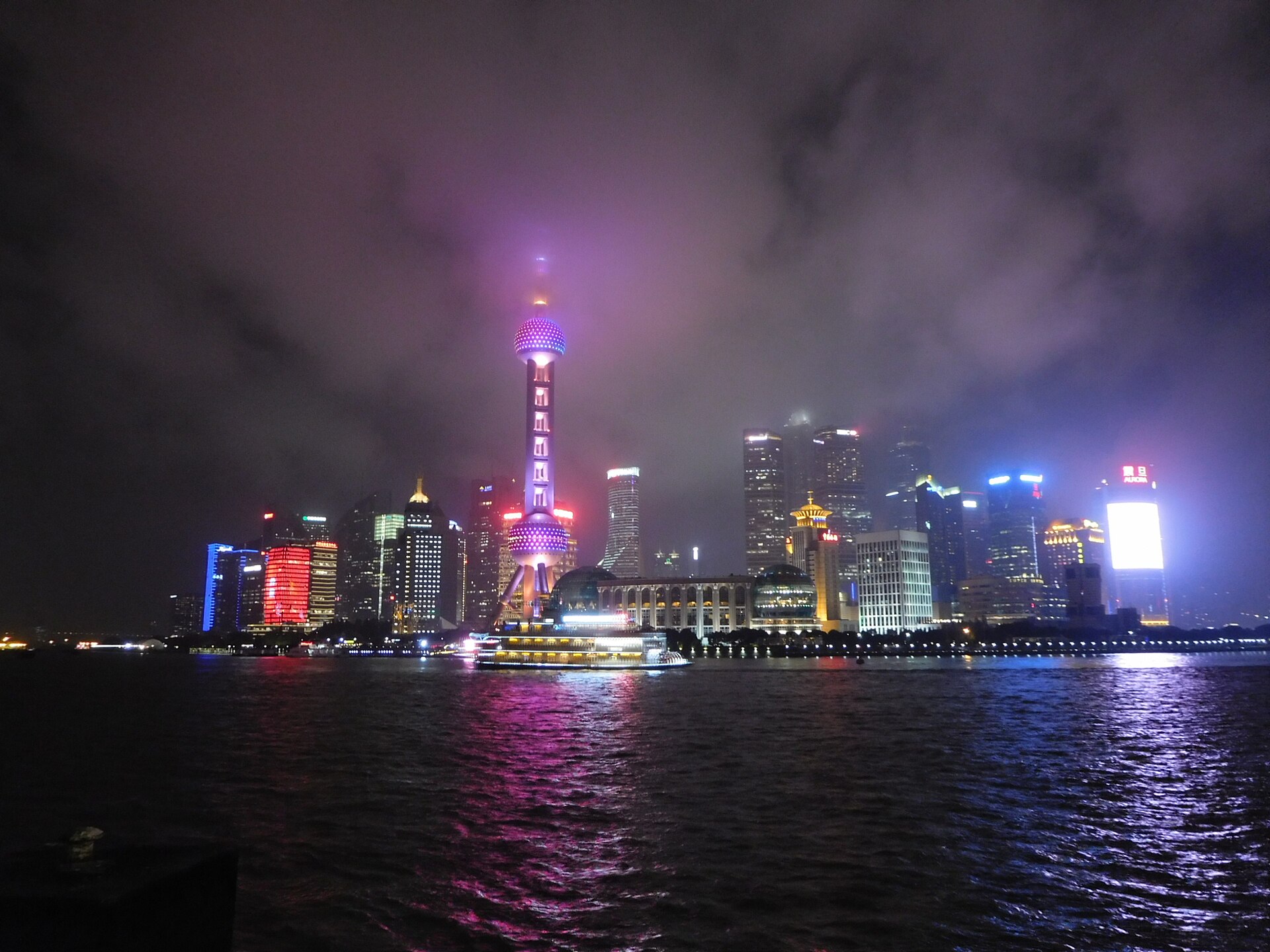
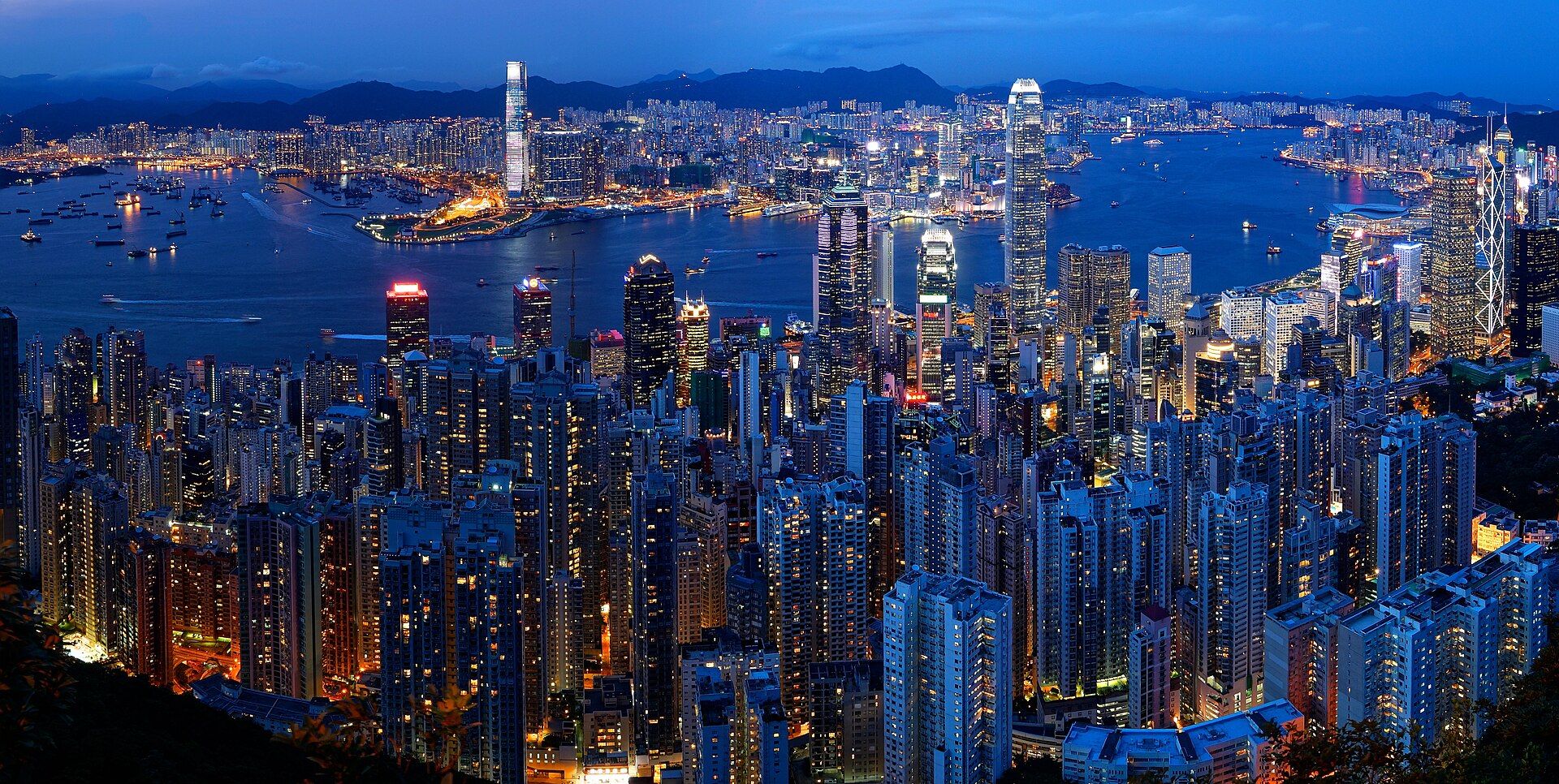
Illumination times, cruise schedules and weather change. A 2016 night photograph cannot promise the same lighting on your date, and “arrive at sunset” is too fragile for a tightly booked cruise. Build a buffer before the ticketed departure, carry a layer for wind, and have a metro return route. If the promenade is packed, keep walking instead of fighting for one famous viewpoint; the view opens repeatedly along the river.
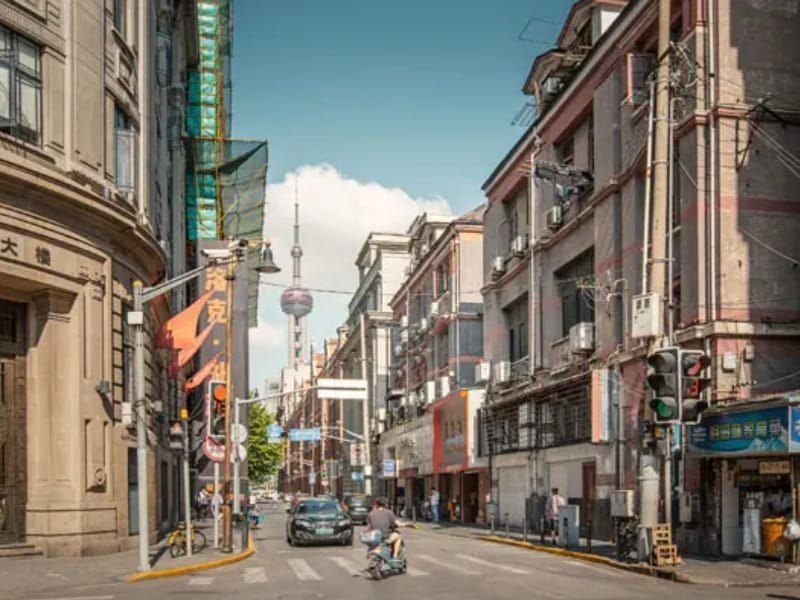
“Former French Concession” is a historical shorthand, not a current district or a single attraction. Give the morning a narrow route: start around Wukang Mansion, walk part of Wukang Road, and continue through nearby residential streets toward a chosen café, gallery or park. Two or three focused hours reveal more than taxis between a list of photogenic façades.
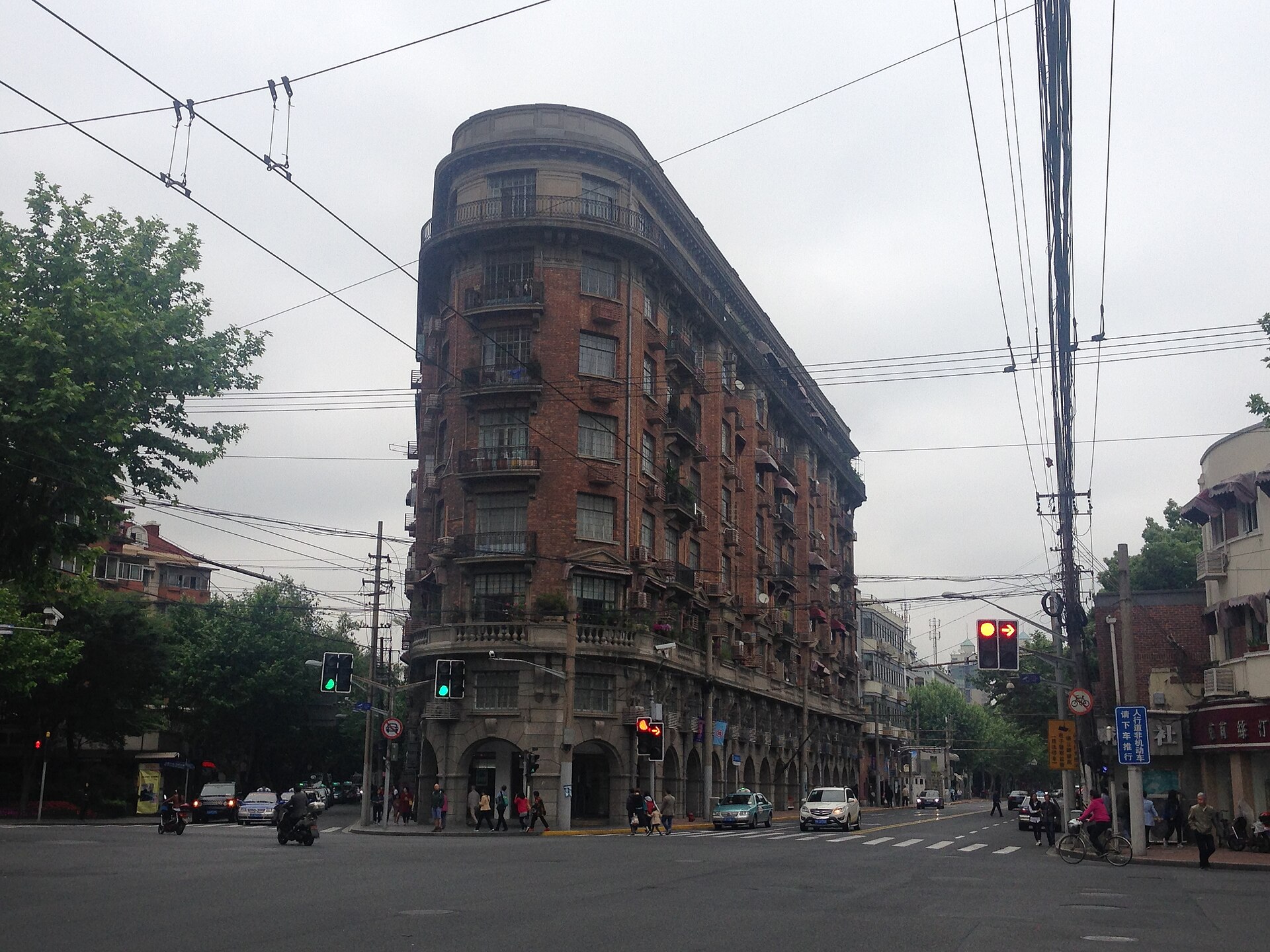
Wukang Mansion is useful as an anchor because its wedge-shaped form makes the intersection legible. Photograph it, then move on; entrances and pavements still serve residents and local traffic. The quieter interest lies in block-by-block changes—apartment buildings, garden walls, shops and plane-tree shade—rather than a claim that every lane is shikumen or that the whole area looks colonial.
Keep Tianzifang optional. It is a dense commercial lane complex in another part of the broader historic area, not simply the next street after Wukang Road. Adding it can work if shopping is the goal, but it turns a slow neighborhood morning into another transfer. Wear shoes for walking, keep voices down outside homes, and treat cafés as breaks rather than mandatory “checkpoints.”
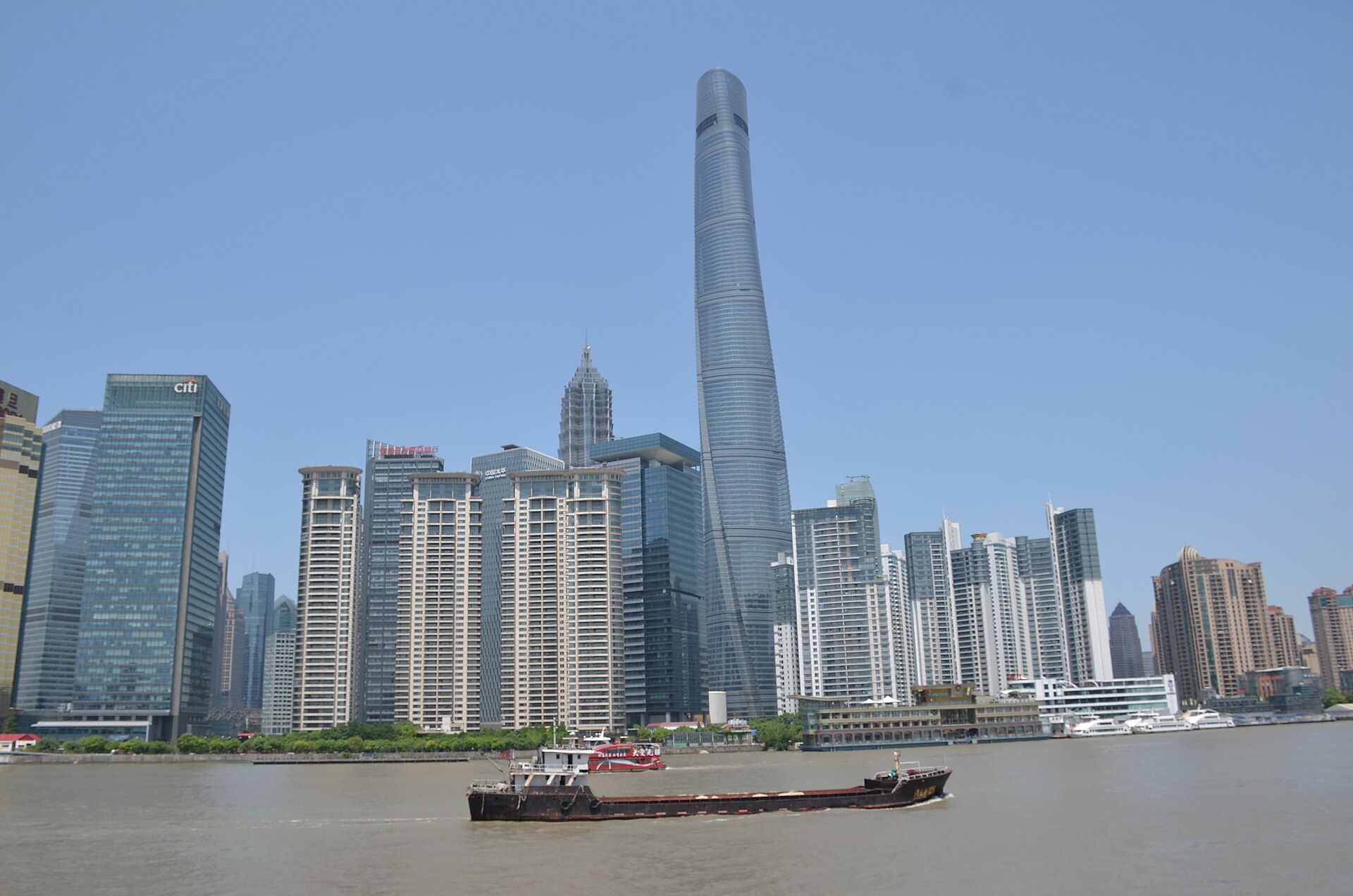
Make one choice. On a clear day, cross to Lujiazui and pick one observation deck; paying for multiple towers adds little to a two-day visit. Cloud, haze or heavy rain weakens the value, so keep a museum fallback rather than prepaying every weather-dependent ticket.
“Shanghai Museum” now requires a branch name. As of July 29, 2026, the People's Square museum is operating under the ticketed “On Top of the World Tree” exhibition arrangement that began July 9, with no other exhibitions shown there during the stated run. The Shanghai Museum East in Pudong is the larger alternative for permanent collections; individual visitors can currently enter without advance reservation using valid original ID, and it closes on Tuesdays except national holidays. Special galleries and paid exhibitions can have separate rules.
Check the museum's official notice on the morning of the visit. If you choose the East museum, it pairs logically with Pudong but deserves most of the afternoon. If you choose People's Square, it fits the west-bank route but is not the old free walk-in default described in outdated guides. A museum is not a rain-day afterthought if its collection is one of your priorities; choose it before fatigue makes the decision for you.
Use the metro for the long moves and walk within each cluster. Save Chinese names and map pins for Yu Garden, your Bund entry point, Wukang Mansion and the exact museum branch; translated attraction names can send a driver to the wrong gate. Taxis and ride-hailing help when rain or fatigue hits, but road traffic can erase the time they appear to save.
Set up a workable payment method before the trip, yet keep some cash and a physical bank card as backups. Carry the original passport or other document used for timed attractions and museums. Do not schedule a luggage pickup, airport transfer and river cruise in one narrow chain. Pudong Airport is far enough from the central sights that arrival and departure days should not be counted as two “full” days without checking the actual flight times.
The final discipline is deletion. If Yu Garden runs long, shorten the bazaar. If the Bund weather is poor, keep the architecture and skip a visibility-dependent cruise. If Day 2 legs are tired, choose the museum over another neighborhood. Two days work when the itinerary preserves meals, transit and an early night; they fail when every optional stop becomes compulsory.
Private & flexible · English-speaking guide · real-time online booking.
Tell our local experts what you'd like to see and we'll design a private, tailor-made itinerary with English-speaking guides — free plan & quote, no obligation.