Updated 2026 · 11 min · by NebulaTrip local experts
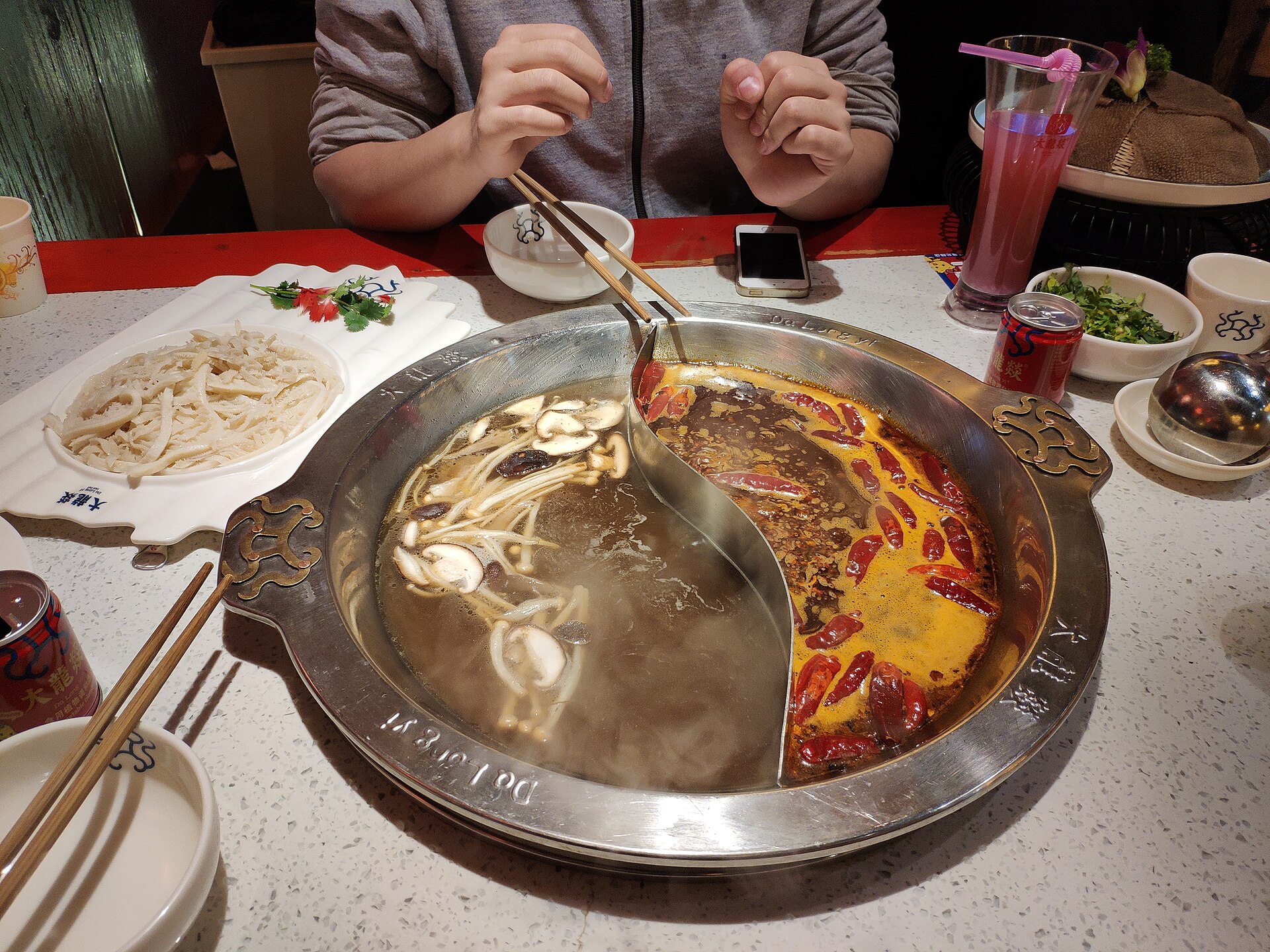
The useful question in China is not “What is Chinese food?” but “What does this city cook well, and what do I need the kitchen to understand?” A shared Chengdu hotpot, a Guangzhou dim sum breakfast, Xi'an wheat dishes and a Shanghai braise follow different ingredient and dining logic. Use regional curiosity for discovery, then use precise written language for allergies, halal practice or vegetarian limits. A picture menu can identify a dish; it cannot reveal stock, lard, sauces or cross-contact.
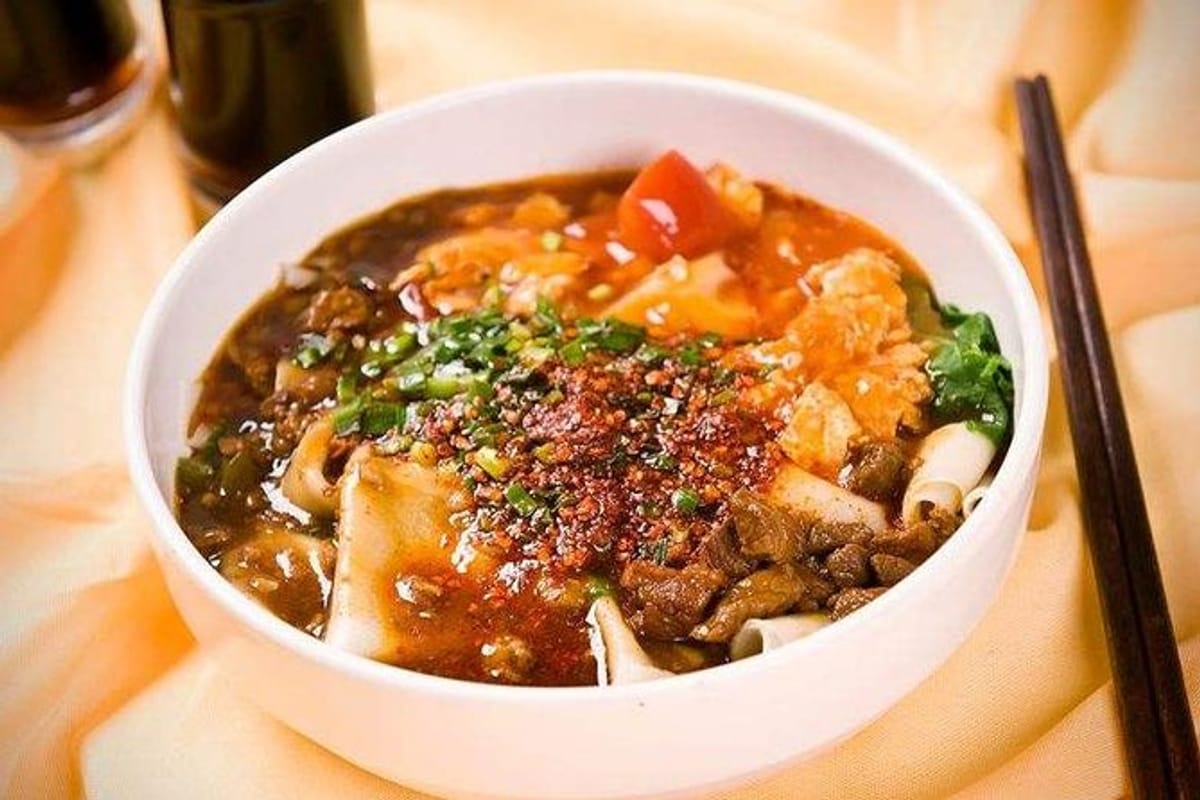
Cuisine labels are a map, not a guarantee about every dish. Sichuan cooking can combine chilli heat with the numbing fragrance of Sichuan pepper, but it also includes mild broths, smoked foods and vegetable preparations. Hunan food uses chilli differently and should not be treated as interchangeable. In Guangzhou and the Pearl River Delta, dim sum, roast meats and seafood sit within Cantonese traditions; “light” does not mean free of oil, sugar or sodium.
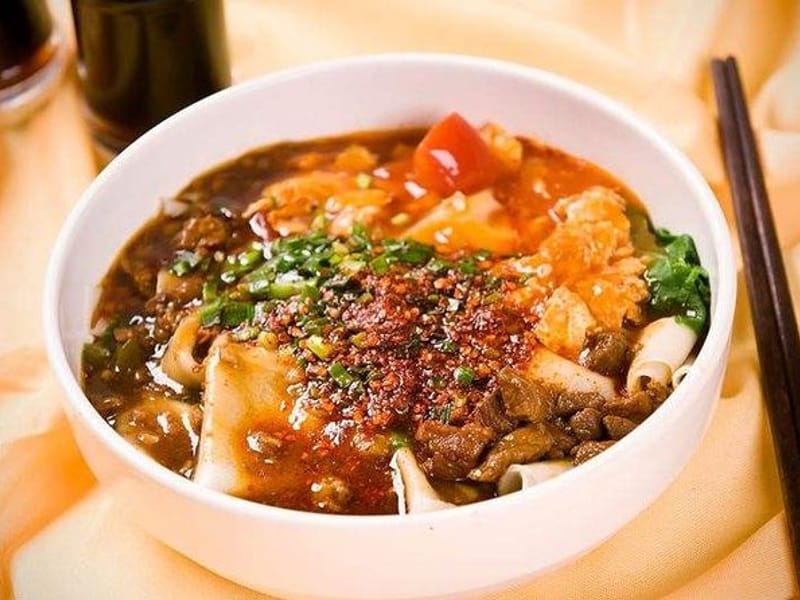
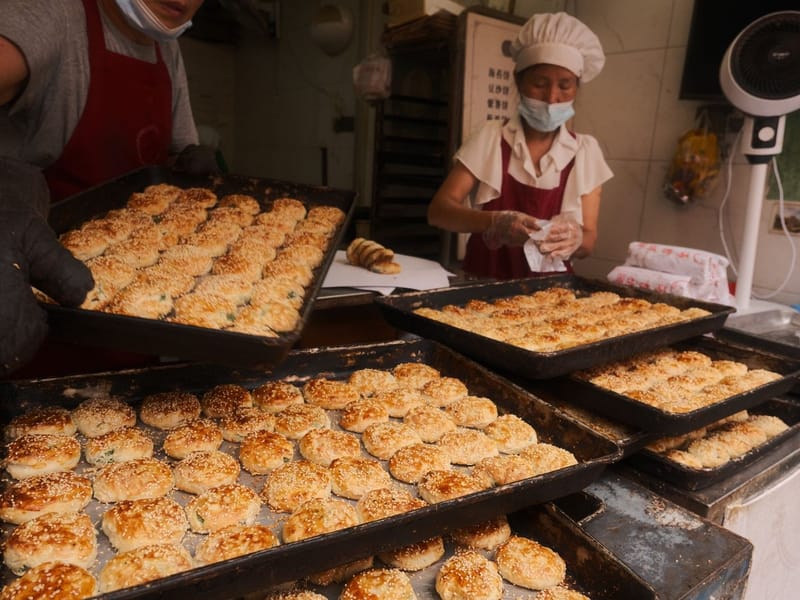
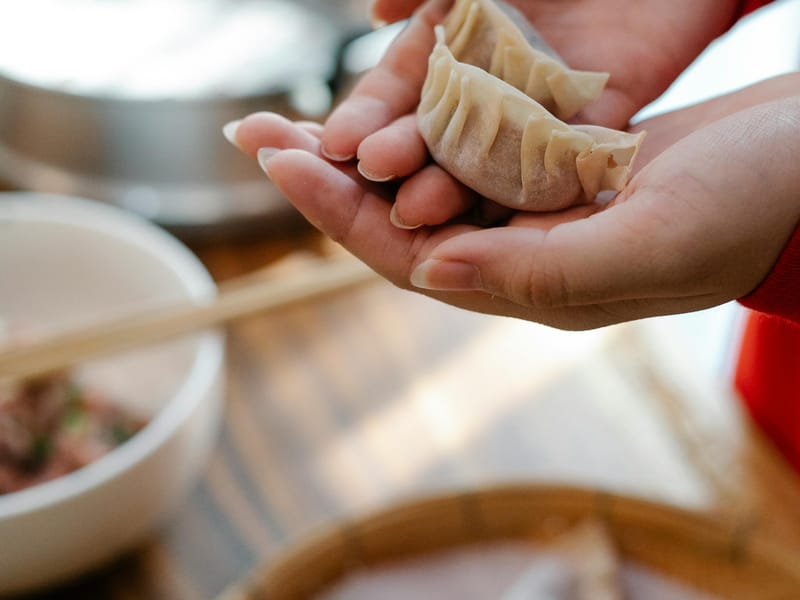
Northern cities make broad use of wheat: noodles, dumplings, buns and flatbreads often matter more than rice. Xi'an's food reflects both the grain agriculture of the northwest and long Muslim food traditions, while Lanzhou is known for beef noodles with its own preparation conventions. Shanghai and the lower Yangtze have soy-braised dishes and freshwater ingredients, but not every local plate is sweet.
Order one regional anchor, one vegetable and one staple before chasing a long must-eat list. Ask how a dish is prepared—steamed, stir-fried, braised, grilled or served cold—because the method reveals more about the meal's pace and richness than an English superlative. Do not infer ingredients from colour: a red broth is not automatically very hot, and a clear broth can still contain meat.
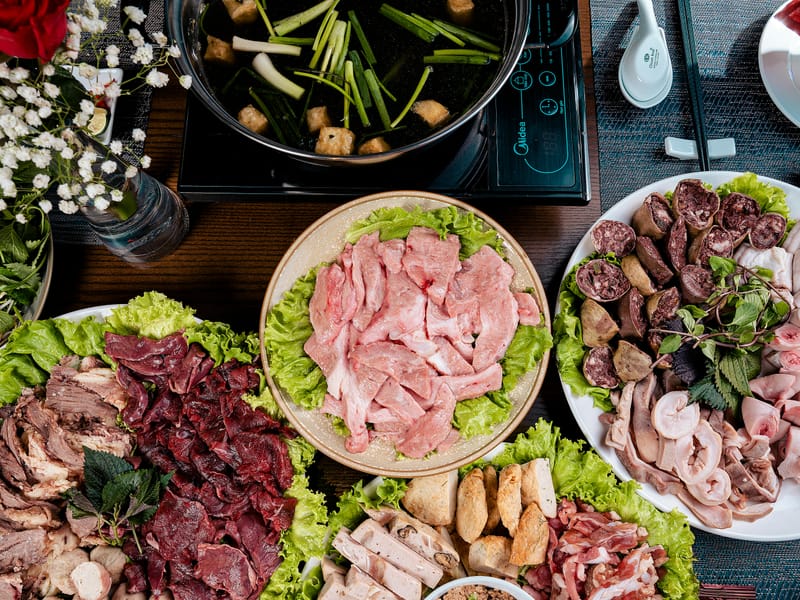
At many full-service restaurants, dishes arrive in the centre and diners serve themselves into small bowls. That does not mean every meal is communal: noodle shops, rice sets and breakfast stalls sell individual portions. For a shared meal, begin with roughly one substantial dish per diner for a small group, then add only after seeing portion size. Rice may need to be ordered separately and can arrive late unless requested.
QR menus are common, but a local mobile number or app login may be required. Ask for a paper menu, point to a display, or use a translation screen when the code fails. Confirm quantity, size, tea charge, disposable tableware or service items before submitting; a photo can represent a large banquet portion. Use serving chopsticks when supplied, and do not worry if local table practice differs from a formal etiquette guide.
The People's Bank payment guide for foreign visitors covers mobile payment linked to international cards, bank cards and cash. Set up more than one method and carry some renminbi; a small restaurant may accept a QR wallet but not a foreign physical card, while an app can fail without data. Tipping is not a default requirement in ordinary restaurants. If a venue adds a disclosed service charge, treat that as part of its own policy rather than importing another country's percentage rule.
The Chinese term to save is 清真 (qīngzhēn). A dedicated restaurant that clearly identifies itself this way is a better starting point than ordering lamb in a general kitchen. Arabic-style decoration, a Muslim neighbourhood or a pork-free dish is not by itself evidence about slaughter, alcohol, stock, cooking fat or shared utensils. Standards and signage practice can vary by place, so travellers with strict requirements should ask the restaurant and, when necessary, a trusted local Muslim contact.
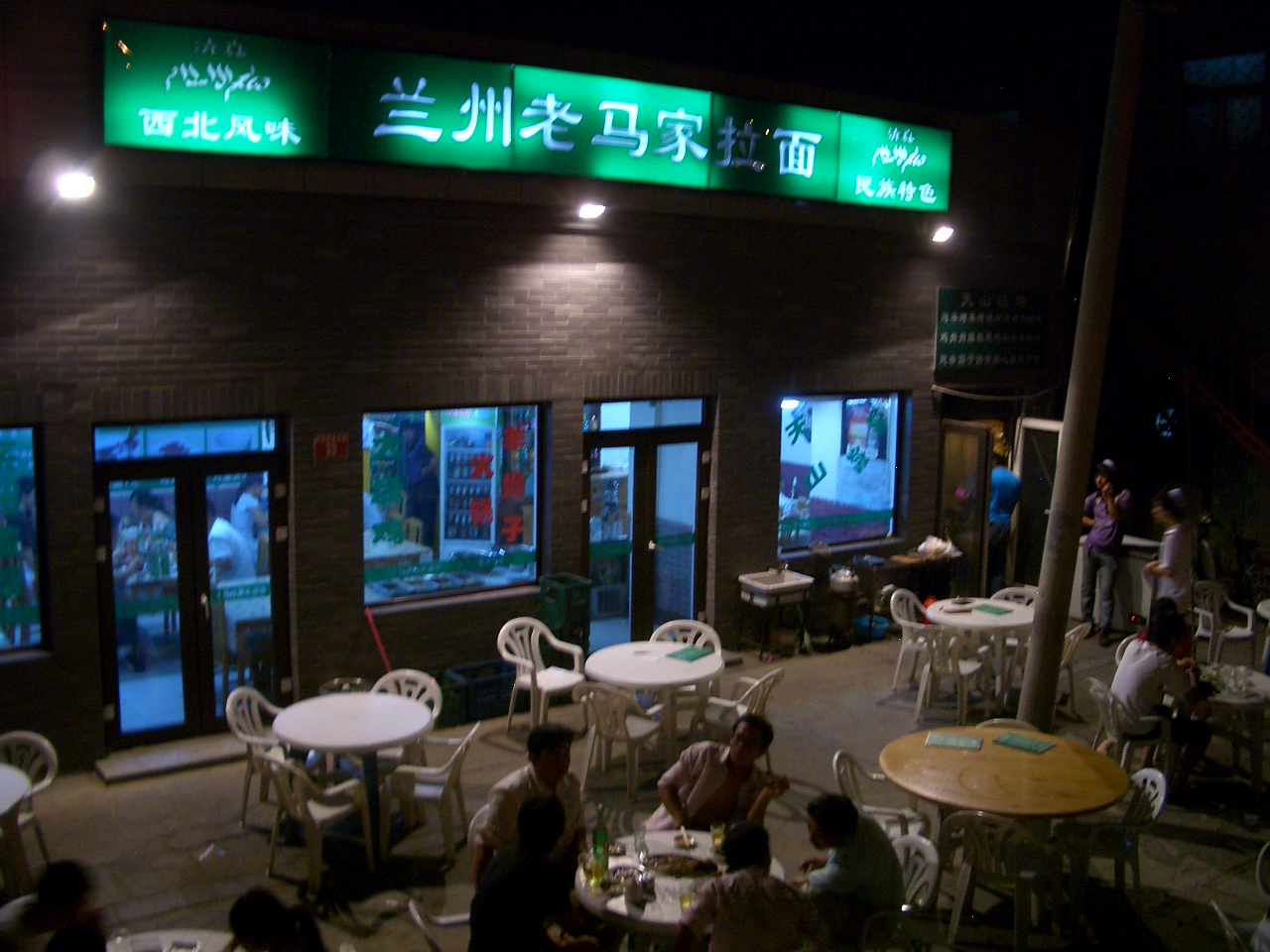
Lanzhou-style beef noodles, northwestern grilled meats, flatbreads and Uyghur dishes can make halal dining easier in many cities, but names still need checking. “Lanzhou noodles” on an English app does not automatically establish that a particular branch is qingzhen. In Xi'an's Muslim Quarter, vendors and restaurants are numerous; the district name does not replace a question about the exact stall.
Carry a Chinese card that states the boundaries that matter to you: no pork or lard, halal meat only, no alcohol in cooking, and concern about shared pans if applicable. Show it before ordering rather than after food arrives. If staff give an uncertain answer, choose a plainly marked dedicated restaurant or a packaged product with ingredients you can read. “Muslim-friendly” is too vague when the traveller needs a religiously compliant meal.
素食 can mean vegetarian food, but it does not tell a kitchen whether eggs, dairy, honey, fish sauce, oyster sauce, meat stock or lard are acceptable. A Buddhist vegetarian restaurant is often easier for avoiding meat, yet mock-meat products and sauces still need checking for a vegan diet or allergy. In a general restaurant, a plate named for eggplant, tofu or greens may contain minced pork or animal stock.
Write one short Chinese statement for preference and a stronger one for medical risk. List the exact allergen and common forms: peanuts and peanut oil, shellfish and shrimp paste, sesame and sesame oil, milk, egg, wheat or soy. Add that a small amount and shared oil or utensils can be dangerous if that is true. Translation apps are useful, but a prepared card checked by a fluent speaker is safer than improvising during a noisy meal.
Severe allergies require a plan beyond vocabulary. Carry prescribed medication, keep the original label, know how to reach emergency care and choose kitchens able to answer cross-contact questions. Buffets, hotpot and shared plates make separation harder. When staff cannot confirm a sauce or broth, declining the dish is more reliable than asking them to remove the visible ingredient.
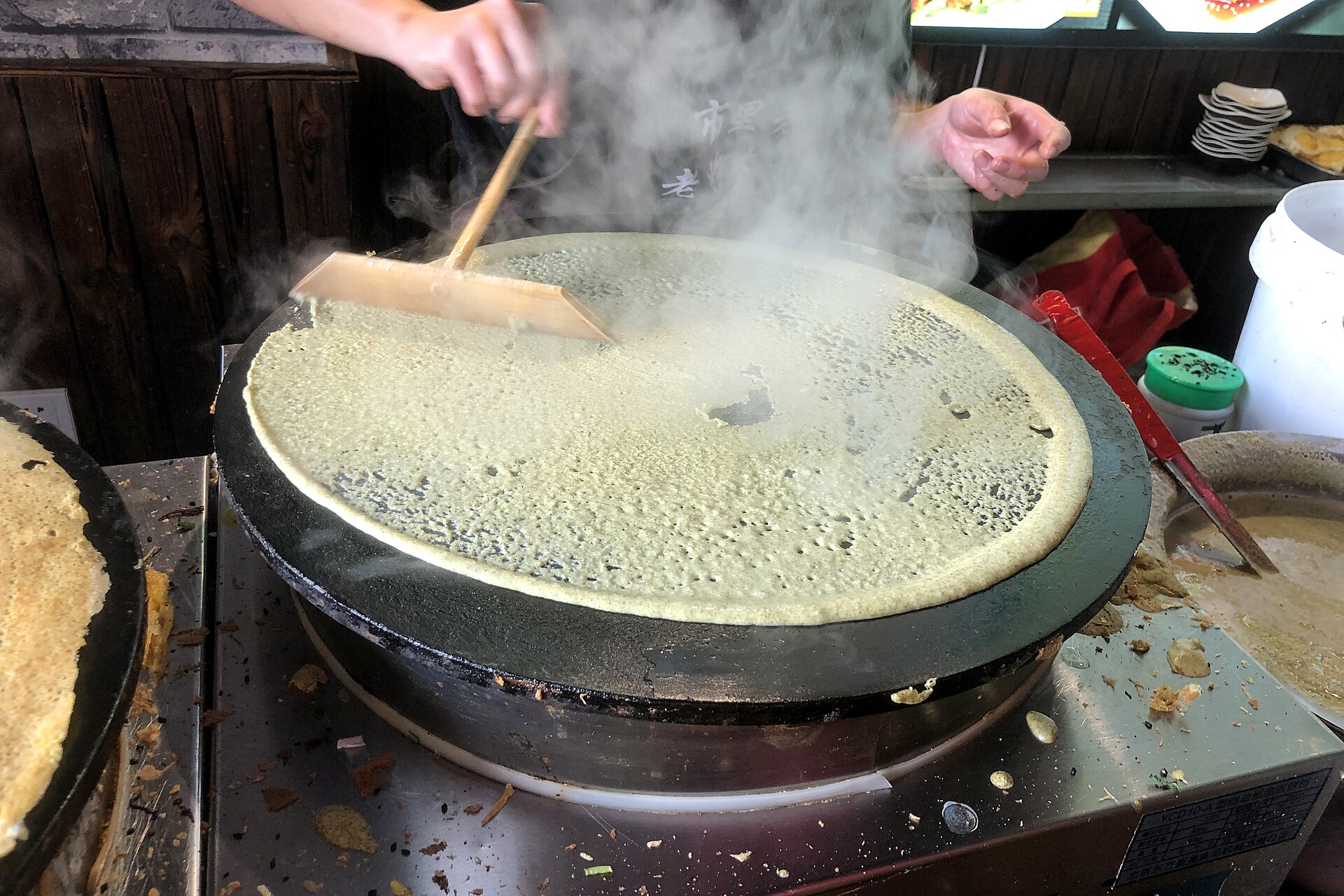
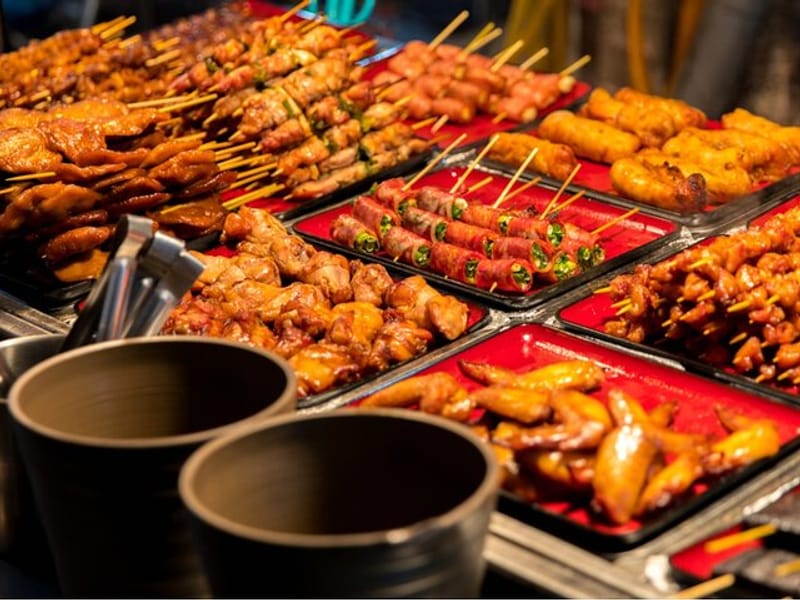
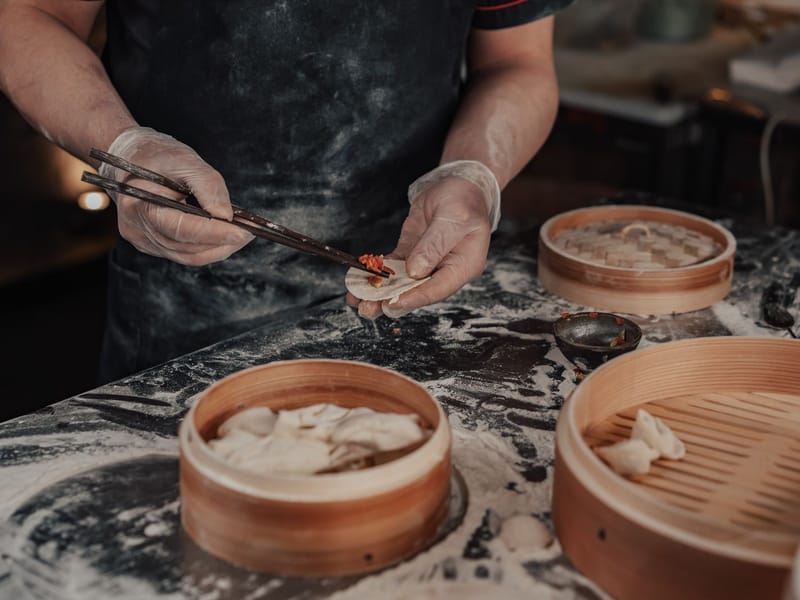
A busy stall and visible cooking are useful selection clues, not a safety certificate. Prefer food cooked thoroughly and served hot, with raw and cooked ingredients kept separate. Jianbing cooked on the griddle, dumplings lifted from a steamer and skewers grilled to order let you observe the final heat step. Food held lukewarm, raw shellfish, unpeeled cut fruit, unpasteurized products and sauces sitting open deserve more caution.
The CDC Yellow Book 2026 notes that street-vendor food can carry higher illness risk and that fully cooked food served hot is generally the safer choice where hygiene is uncertain. For water, do not assume a tap is drinkable because the hotel is modern. Use sealed commercially bottled water, properly boiled water or another source you know is treated; be cautious with ice when its source is unknown. This is risk reduction, not a claim that one stall or bottle can never cause illness.
Wash hands before eating and carry sanitizer for times when soap and water are unavailable. If vomiting or diarrhoea develops, replace fluids and salts; fever, blood, severe pain, dehydration, persistent symptoms, pregnancy, older age or immune compromise should lower the threshold for medical help. The point of a food trip is not to prove bravery. Choose a few well-cooked regional foods, stop when a stall cannot answer a dietary question, and leave enough appetite to learn the next city's cuisine.
Private & flexible · English-speaking guide · real-time online booking.


Tell our local experts what you'd like to see and we'll design a private, tailor-made itinerary with English-speaking guides — free plan & quote, no obligation.